Four Years of War: Holding on to Hope
[Estimated reading time: 7 minutes]
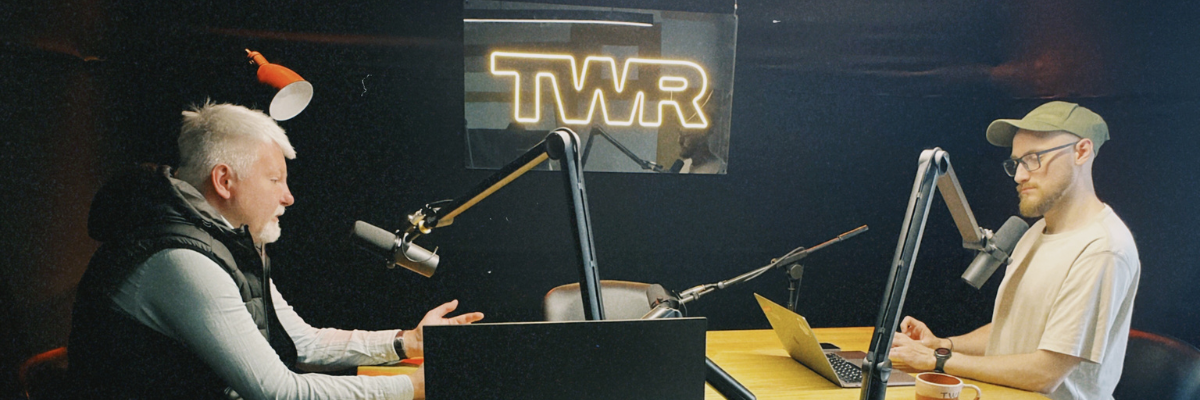
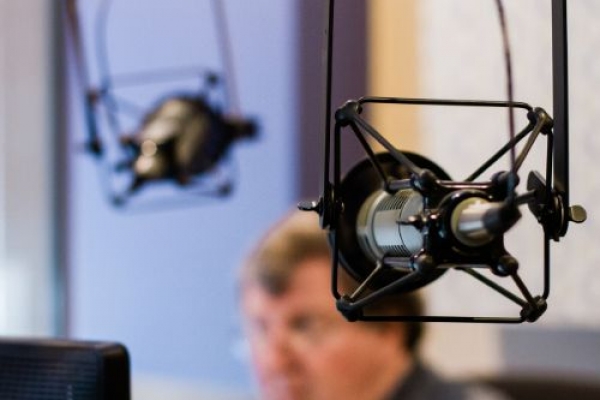
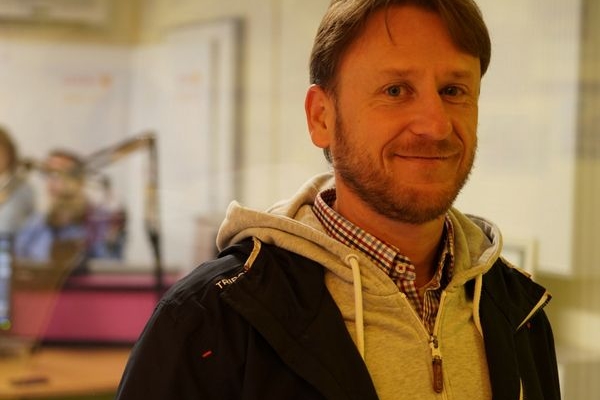
Inside the studio: podcast in action
February 24, 2022
I remember it as if it were yesterday. My visa application in Tanzania had just been denied, and that morning I found myself sitting at the small provincial airport in Kigoma. After more than half a year largely cut off from the news, the first images I saw on a flickering screen in the terminal showed Russian tanks crossing the Ukrainian border.
Four years have passed since then. What is striking is not so much the length of that time, but its familiarity. The war has become a constant - in headlines, in political debates, in conversations about energy prices and weapons deliveries.
For four years now, Ukraine has been defending itself against what Russia once called a “three-day special operation.” What began on February 24, 2022, now feels like a permanent undertone of Europe’s present.
The war has entered its fifth year, and a political path toward peace still seems out of reach.
The Dimension Behind the Numbers
Wars are often measured in numbers: those killed and wounded, the displaced, the territory lost, the cities reduced to rubble. After four years, the statistics of this war have reached a scale that feels almost abstract. According to various estimates, around 1.8 million soldiers on both sides have been killed, wounded, or are missing. The United Nations reports that roughly nine million Ukrainian civilians have been displaced, while nearly one fifth of Ukraine’s territory remains under Russian control.
But wars are not lived in numbers. They unfold in interrupted routines, in unanswered phone calls, in quiet apartments far from the front and in crowded shelters close to the fighting. Behind every chart and situation report are people trying each day to endure, to adapt and to hold on to hope.
Hope and Support Through TWR
In this quieter, less visible dimension of the war - beyond battle maps and diplomatic statements - TWR has sought to make a difference. With local partner and ministry friends on both sides of the front lines, the organization reaches people through radio programs and digital platforms, seeking to meet them where they are and to offer hope through Jesus Christ in times that can feel utterly without direction.
At the same time, they are also significantly affected by the conditions of war and are working to find new ways to reach listeners despite internet outages, access restrictions, and other war-related disruptions. Nevertheless, under the theme Hope for Ukraine, numerous programs have been developed for a broad audience. Broadcast air daily, tailored to different audience groups, offering people support, hope, and inspiration in difficult times and helping them grow in their faith. In times of war, many people do not turn away from faith, often the opposite is true. Amid loss, fear, and uncertainty, people search for something that provides stability, for answers that go beyond daily news and the constant sound of turmoil.
At the same time, many have lived through experiences that are difficult to put into words moments that can shatter one’s understanding of the world and raise profound questions about how suffering can coexist with the idea of a loving God.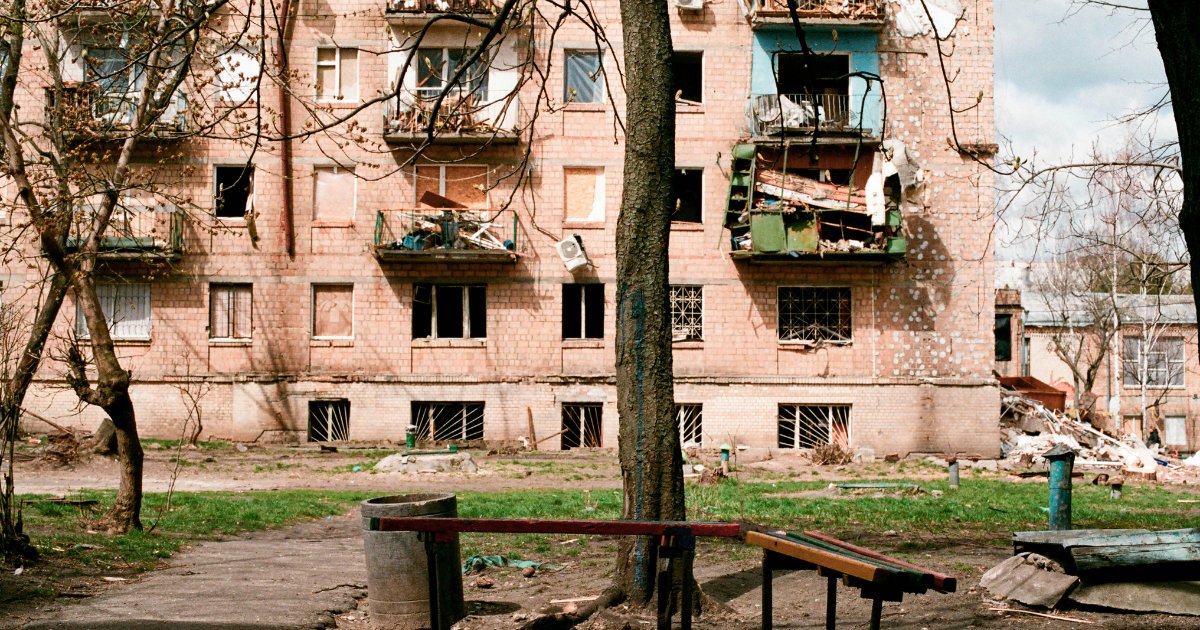
Programs in Focus
This is where TWR Ukraine’s podcast How Were We Able comes in. In conversations with men who have experienced war at the front lines or within the military, the podcast explores trauma, memory, and survival, while repeatedly returning to the question of whether, and how, there can still be space for God in the midst of violence, loss, and existential hardship.
The new season, continues this conversation by deepening the reflections on war experiences and faith, asking how people make sense of what they have endured.
On the other hand, the program Live On addresses the other side of the experience. It explores what it means to continue living when a son, brother, husband, or loved one does not return home. Where can people find the strength to go on after such loss, or to help others carry their pain?
Live On creates a space where people can find hope, support, and understanding by sharing their experiences and speaking about what they have gone through.
Four years of war have shaped, destroyed, and changed countless lives. Yet in the midst of this darkness, people show that hope is possible—through solidarity, through faith in Jesus Christ, and through the small acts of everyday life that provide stability. Programs like How Were We Able and Live On make it clear: even in times of greatest uncertainty, there are ways to share pain, find comfort, and keep moving forward.
But what hope truly means in everyday life is shown not only through programs or initiatives – it is revealed in the voices of people themselves. A listener of one such program shared her story:
She is 35 years old and has been a believer since the age of 16 – the first in her family to find faith in God. For many years, she dreamed of starting her own family and being a role model for her relatives. But her life unfolded differently. Today, she is unmarried. And although the desire to be a wife and mother still lives in her heart, she feels no resentment. Instead, she has found peace. She sees that God is using her in a different way – in serving her family, here and now.
“I don’t want to dream about what might have been,” she says. “I want to rejoice in what is.”
Her story shows that even in times of loss and war, God is still at work, sustaining families and keeping hope alive.
If this testimony has touched you, please stand with this war-affected ministry by supporting our Ukraine-Russia Crisis Fund—through your prayers and practical help—so that more lives can be strengthened and renewed with hope.
Images: (top, banner) Andreii in the studio recording a podcast. Credit: TWR Ukraine. (middle) Life amid the destruction in Kyiv. Credit: Unsplash