Healing Roma Culture: The Power of Faith-Based Discipleship Programs
 The Roma Discipleship tool was developed when Roma church leaders expressed the need for discipleship resources created with their people's culture in mind.
“I was born in a Christian Roma family. I had a life with God since I was little because my parents took me to church and gave me a Christian education,” a listener shared. “I am now 24, and I was looking to develop and refine the principles about finding a wife. I am thankful for this program that reiterates how to find a good Christian wife and how to be a good husband. I was not thinking of my future wife as my partner but more as my property. This was the tradition in my family and community. When I think about my future wife after listening to this program, I want to see her as my partner. I think this is what God wants me to do. I must learn more about how to view her as a partner because I am not accustomed to doing so.”
TWR has been broadcasting to Roma audiences for more than two decades, but in recent years, we have started to work more with Roma producers.
“I asked [Roma ministry leaders] what is it that they think is needed in the Roma ministry? How can we help you?” recalled Samuel Lacho, TWR director for Central and Eastern Europe. “And they said that they are really missing a discipleship tool.”
TWR’s new ministry project to the Romani people is already encouraging Roma Christians in their walk with the Lord and changing lives. The Roma Discipleship Tool was developed in partnership with TWR Netherlands to reach the Roma people, whose culture is rooted in oral storytelling rather than written texts. This new ministry tool features scripts written by Roma pastors, recorded in video interview format as podcasts. The content is designed to inform and transform every aspect of life, often incorporating humor or cognitive dissonance to engage listeners.
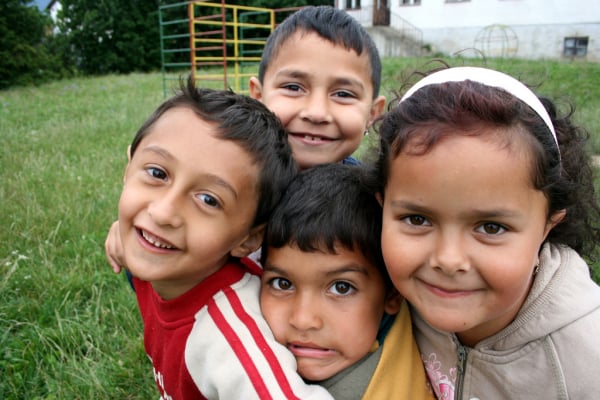
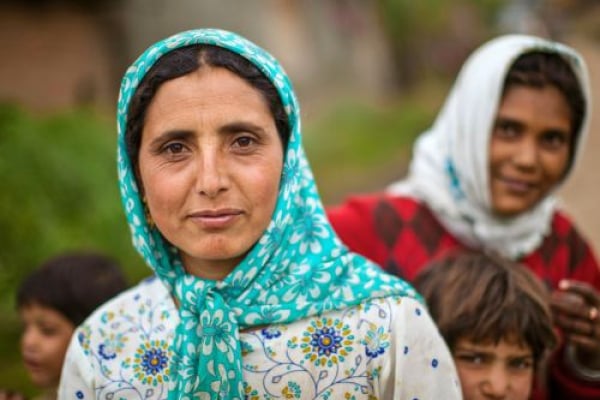
The Roma people (formerly known by the sometimes-disparaging term “Gypsies”) of Central Europe have been marginalized for centuries and experience discrimination in every form. With a population of between 10 million and 12 million, they compose the largest minority group in Europe. Millions of Romani live in poverty, according to Amnesty International, and many live under the threat of eviction, police harassment and violent attacks.
Roma people embrace religion and get excited when they hear the gospel, Lacho said. And that is where discipleship starts and where discipleship tools are needed to let “the kingdom-of-God culture infiltrate their Roma culture or transform their Roma culture and really heal it. You don’t have to change it, but it’s just healed.”
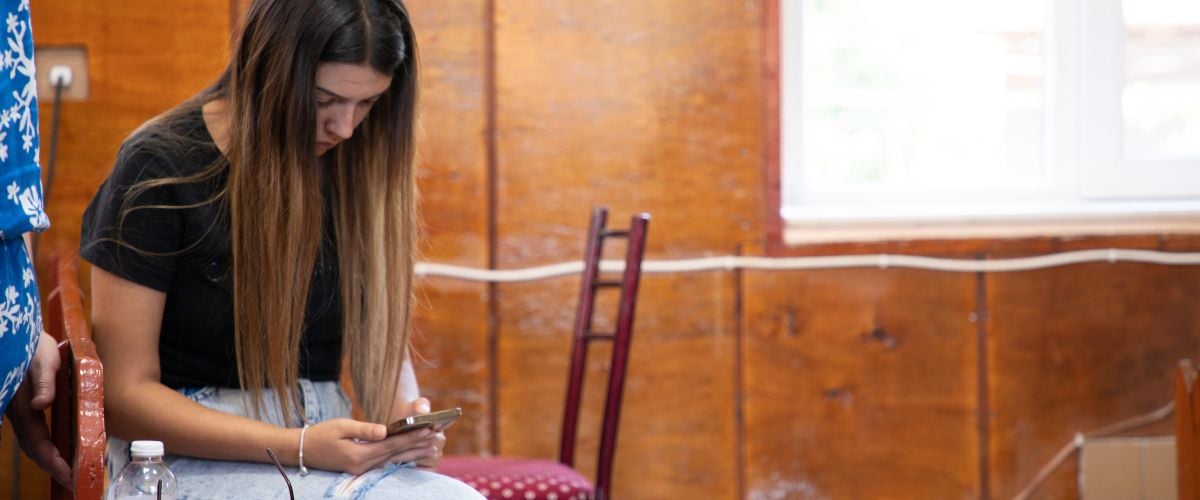
Images: (top banner) A young Roma woman looks down at her phone.