Persecuted but Not Silenced: How the Gospel Reaches Somalia, Eritrea and Ethiopia's Hidden Believers
[Estimated reading time: 5 minutes]
Quick Summary: Somalia and Eritrea rank among the world's five most dangerous countries for Christians, according to Open Doors' 2026 World Watch List — yet radio and social media are reaching believers even where practicing faith is illegal. TWR partners across the Horn of Africa are helping the gospel spread in secret.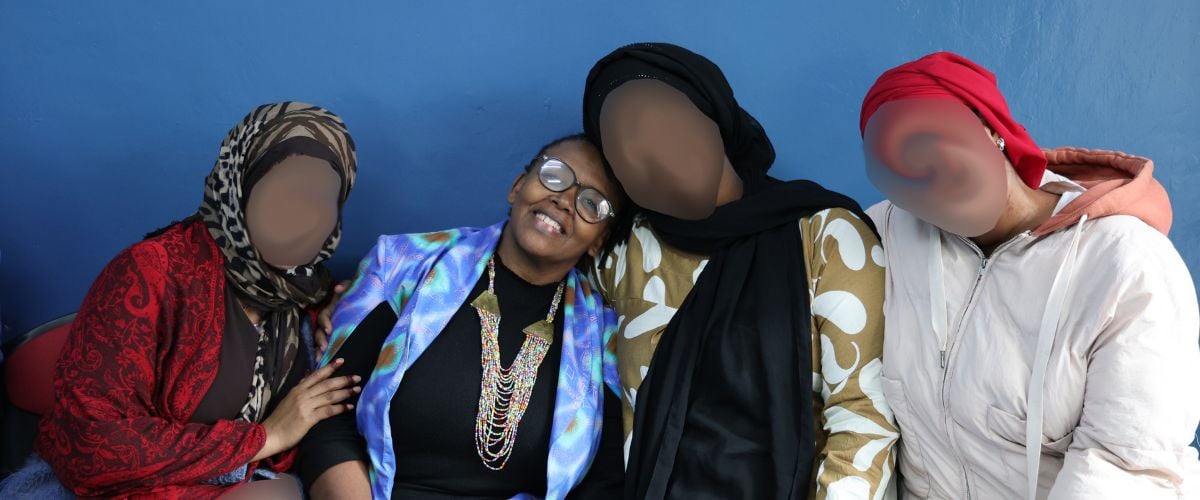
In the Horn of Africa, where Christianity is not safely practiced in the open, believers find quiet ways to keep their faith.
This is what church looks like in the Afar region of Ethiopia.
“We rented hotel rooms where we went and then gave notification to the people … that we were in that certain hotel,” Wakshuma Terefe said. “The people who came into that room, they were interviewed many times in the compound of the hotel [about] where they were going, why they came.”
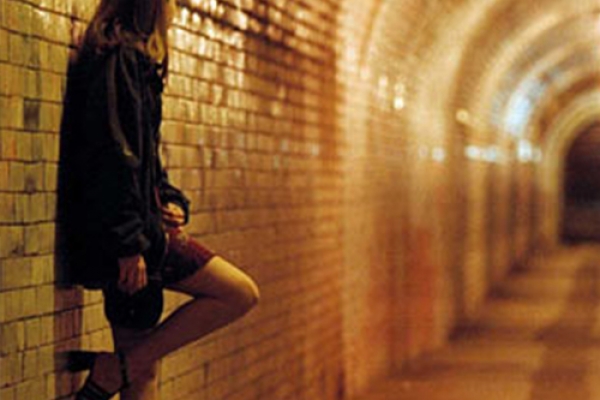
This is Hope Within Reach, our ongoing exploration of how God uses TWR to place the hope found only in Jesus Christ within the reach of people even in unlikely places and circumstances. This month and next, the focus is “Hope in the Shadows.” These are places where proclaiming the gospel is prohibited, where believers meet in secret, covering their tracks, looking over their shoulders, aware of constant danger.
One in Five Christians Persecuted in Africa
Open Doors, a ministry that tracks persecution and compiles an annual World Watch List, finds that 388 million Christians face “high levels of persecution and discrimination.” That’s one out of seven worldwide, two of five in Asia and one of five in Africa.
Our focus this month is the Horn of Africa, known by that phrase for the bulge or “horn” on the continent’s eastern coastline. The four countries in that geographic region include Somalia, which is ranked second in Open Doors’ 2026 World Watch List of countries where persecution is most egregious; and Eritrea, which is fifth. Yemen, ranked third, is across the strait and Sudan, No. 4, is just to the west.
The Horn also includes tiny Djibouti, home to military bases from five countries. There, “Christian ministry is forbidden, but it’s not as serious as Eritrea or Somalia,” said Egide Bandyatuyaga, TWR East Africa ministry director. He attributes the relative freedom to the presence of a U.S. military base.
Ethiopia's Two Realities: Safety in Addis Ababa, Danger in the Lowlands
Ethiopia, where Terefe leads TWR partner Yemisrach Dimts Radio (The Voice of Good News), is ranked 36th. But in a sense, there are two Ethiopias: the Highlands, where practicing Christianity is generally safe; and the Lowlands, where it is not.
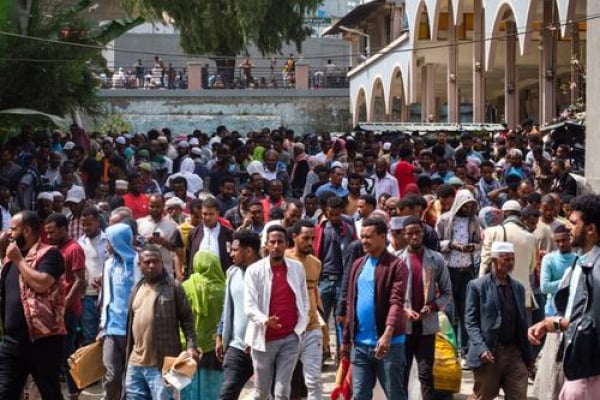
.jpg) Addis Ababa, the Ethiopian capital and where Terefe lives and serves, is in the Highlands. There’s no “open persecution” in Addis, Terefe said, although there is internal pressure against any form of religion that is not either Muslim or Orthodox.
Addis Ababa, the Ethiopian capital and where Terefe lives and serves, is in the Highlands. There’s no “open persecution” in Addis, Terefe said, although there is internal pressure against any form of religion that is not either Muslim or Orthodox.
In the Lowlands – the Somali and Afar regions – it’s a much different picture. “It was very, very high fear people were feeling,” Terefe said.
How Ethiopian Believers Worship in Secret
Believers in those regions “don’t have the right to sit down and pray together,” he said. Instead, they walk together while praying and discussing Scriptures. Carefully. “Once they are investigated or found reading a Bible or even becoming a Christian, that’s finished.”
That’s why Terefe’s visits with believers in Afar are clandestine gatherings in hotel rooms.
It’s a similar situation nationwide in Somalia and Eritrea.
In Somalia, “every Christian in the country is in danger,” said Todd Nettleton, vice president of Message for Voice of the Martyrs-U.S. “In Eritrea, persecution often means arrest – without charges or trial – and prison for what can be decades.”
Nettleton knows of seven pastors who have been imprisoned in Eritrea for more than 20 years, he said.
How the Gospel is Spreading in Somalia
Yet God is on the move across the Horn of Africa.
“The gospel is spreading in Somalia in a very amazing way,” said Abdi Farah, a veteran of 40 years of ministry in Africa, including the past 26 at TWR Kenya.
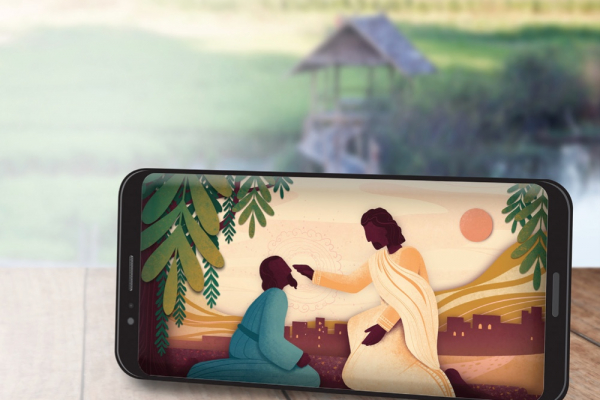
In large measure, it’s a youth movement, he said. To reach a new generation, Farah has taught himself video editing and social media skills.
The young of the Horn of Africa – where about 60% of the population is younger than 25 – are responding, Bandyatuyaga said.
“According to the people we talk to, many young people are coming to faith in Christ just because of social media,” he said.
Even in this era, personal authenticity matters, Nettleton said.
“What we hear consistently from Christians in the region … is that important factors include a repeated, consistent, faithful gospel witness – in the context of loving compassion for the lost,” he said.
There’s so much more to tell. In coming days, we’ll flesh out the ways TWR is responding to the challenge, we’ll offer stories of changed lives, and we’ll share exciting testimonies from our audience. We’ll also present specific ways you can pray for this work.
Little by little, God is bringing the Horn of Africa out of the shadows. Let’s share the excitement.
Sources: Interview with Wakshuma Terefe; report and data from Open Doors; interview with Egide Bandyatuyaga; email exchange with Todd Nettleton of Voice of the Martyrs; interview with Abdi Farah. All interviews were conducted online.
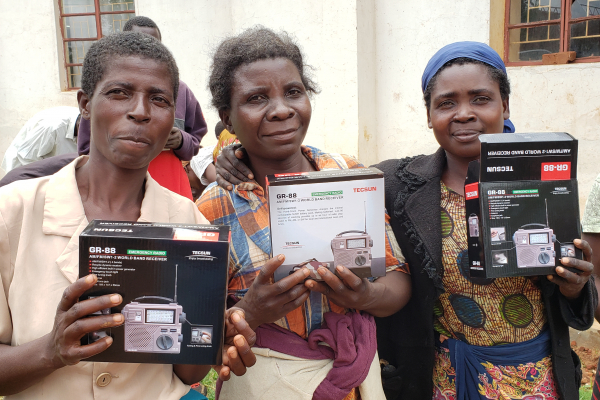
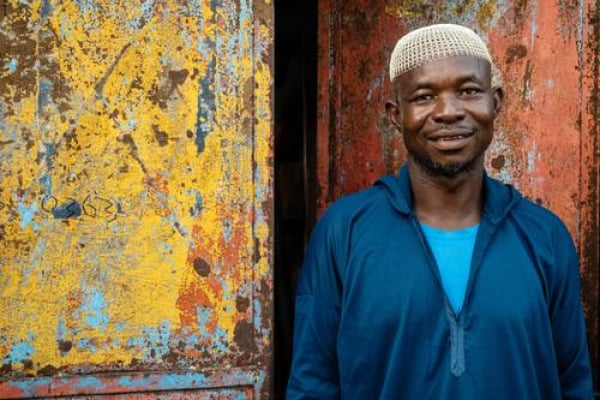
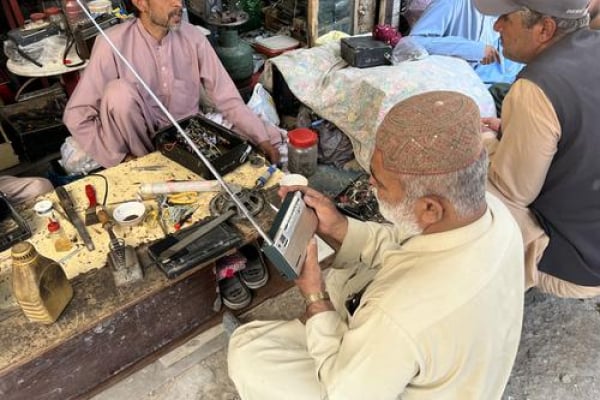
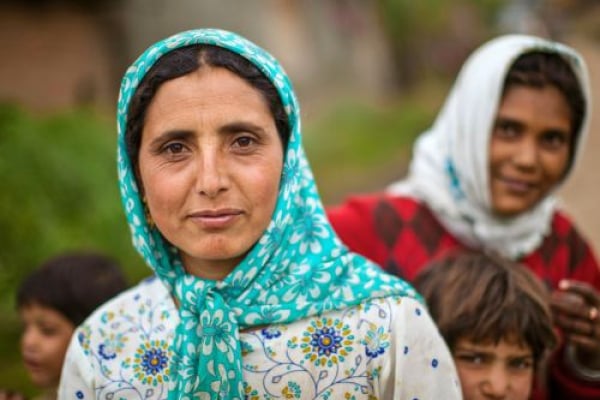
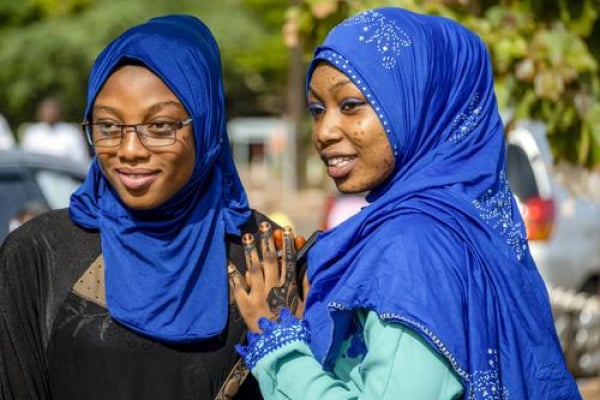
Images: (top banner) A group of Somali listeners meet with a member of TWR's team, (middle, right) A mother in Ethiopia sits alongside her son [images by TWR].