Transforming Roma Lives: How Christian Missions Is Reaching the Unreached in the Balkan Region
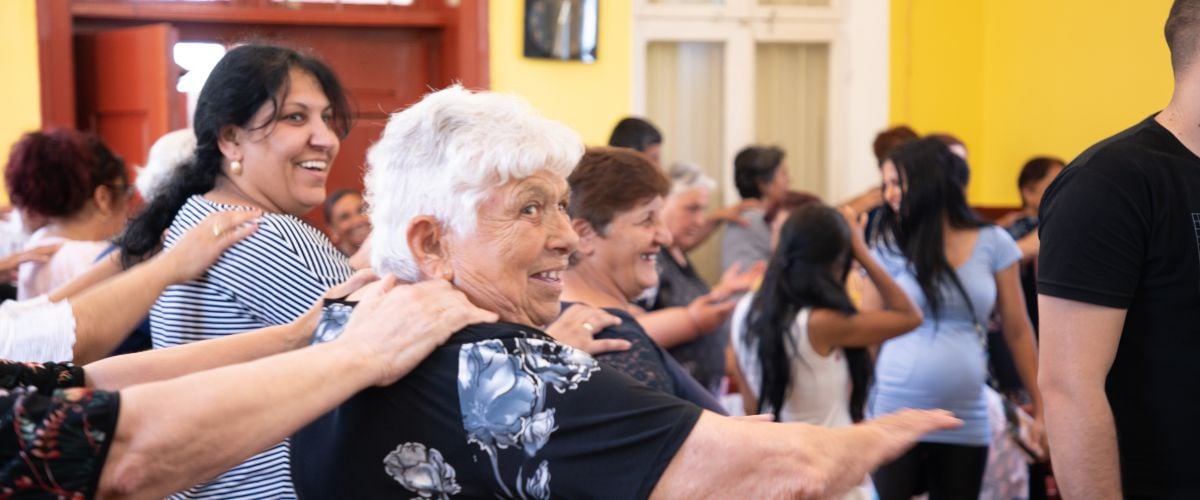
A deeply marginalized group, the Roma people have long been considered one of the most widely ostracized people groups in all of Europe. TWR is reaching through centuries of discrimination to show them the love of Christ.
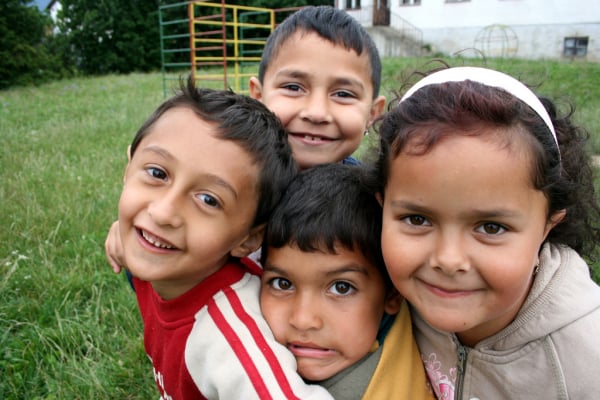
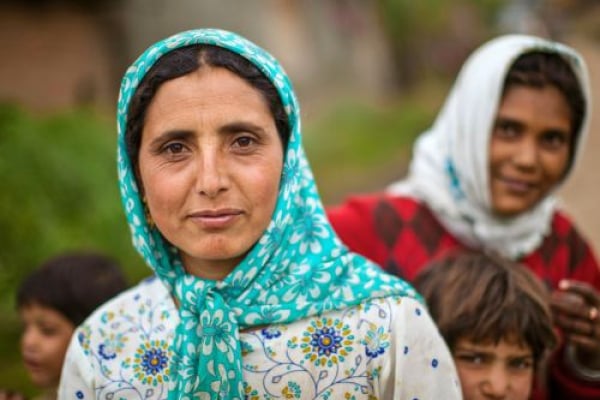
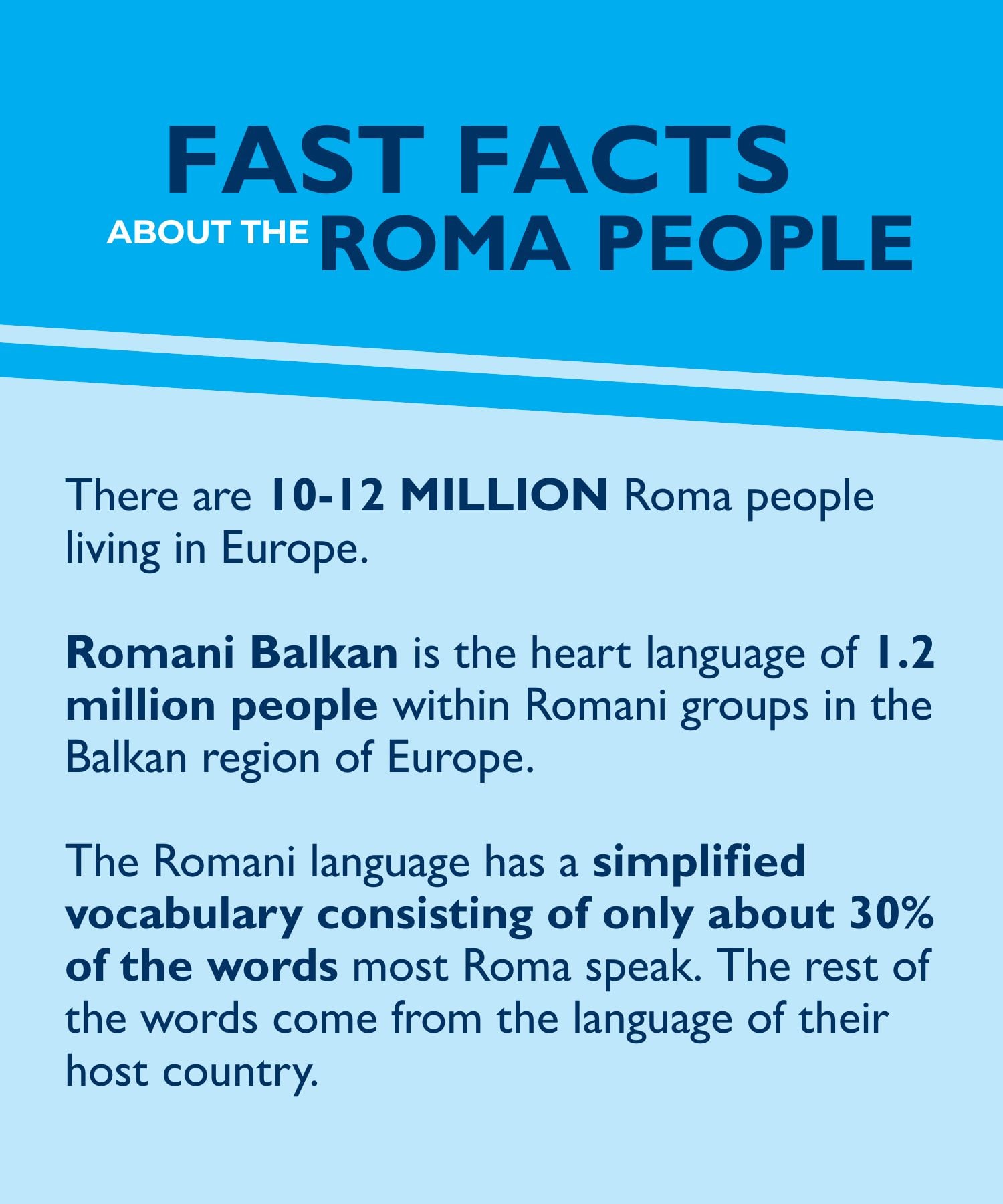
There are approximately 10 million to 12 million Roma in Europe. The Roma people are one of the largest minority groups on the continent and were previously called "Gypsies," a term that many consider to be disparaging. It is believed that the Roma began migrating from northern India to Europe more than a thousand years ago, according to the human rights organization Amnesty International. Although they were traditionally nomadic, most now settle in one place. The Roma have no homeland of their own, and those who speak the Romani language are found across about a dozen European countries.
 The Roma have faced marginalization for centuries and experience discrimination in all forms. According to Amnesty, millions of Roma live in poverty, and many are threatened with eviction, police harassment and violent attacks. Their children are often educated in segregated schools and receive less schooling.
For those wishing to reach and disciple the Roma, the language poses a significant challenge. The Romani language (spoken by most Roma in Europe) has a simplified vocabulary consisting of only about 30% of the words most Roma speak. The rest of the words come from the language of their host country. As one of the most consistently persecuted minorities in Europe, the Roma have limited ways to access biblical teaching in their own language.
TWR has been working alongside our national partners to reach the Roma community by broadcasting in various Romani dialects for more than 20 years, tailored to their locations across Europe. Romani Balkan is the heart language of 1.2 million people within Romani groups in the Balkan region of Europe. These groups are dispersed across Albania, Bulgaria, North Macedonia, Romania, Serbia and neighboring countries. The cultural nuances and habits of the Roma people vary greatly from region to region.
Albania
TWR Albania continues to engage Roma speakers through Women of Hope programs. The director regularly meets with women in person, both at churches and the domestic violence center.
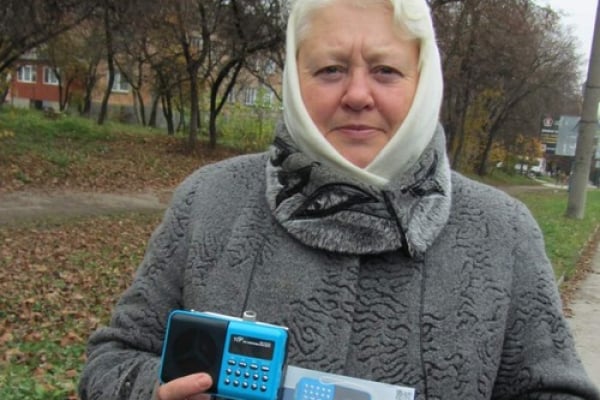
Sanije shared, “I’m so glad that I was able to listen to your program Facing the Unpredictable in the Roma language. I didn’t know that a program in our language even existed. It was so good when I listened to it in my language.”
Bulgaria
Studio 865, TWR’s national partner, continues to reach speakers of Balkan Romani through programs like Questions About Life and The Word Today. New programs in Balkan Romani enriched their content library and strengthened their digital presence, leading to steady growth in listener engagement.
North Macedonia
Approximately 15,000 marginalized Roma people live in Prilep, North Macedonia, 98% of whom come from a Muslim background.
Pastor Edijan, a Roma pastor in North Macedonia, is helping his community move from just surviving to truly thriving. His ministry, Voice of Truth, shares the hope of the gospel with the Roma through YouTube, Facebook, Spotify and a dedicated app for Macedonian speakers. This weekly program offers a new perspective on life, distinct from traditional Roma culture, and brings hope and freedom through Jesus.
Pastor Edijan speaks to their whole identity while meeting their spiritual needs. His messages affirm the worth of the Roma people, urging them not to hide in fear or shame but to live fully as children of God. He shared, “When Roma people hear the gospel in our language, something changes. They know they are not forgotten. They know they matter. And they begin to believe that God sees them and has a purpose for them.”
Romania
To reach the Roma in Romania, the Thru the Bible and Love Worth Finding programs were produced and broadcast in Romani Kalderash. The Roma Discipleship Tool video podcast features scripts written by Roma pastors, recorded in a video interview format. (Link to Roma Discipleship Tool article). TWR Romania started several online Bible-study groups and experimented with innovative audience engagement tools.
Serbia
In Serbia, the number of Roma believers is steadily growing. New programs such as Šalom Romalen (Roma Peace) and Romano Krlo help provide biblical resources in the Serbo-Romani language. Since Pastor Šerif and the Roma ministry team serve within their own ethnic community, they’re able to address important topics in a culturally relevant way, which is warmly received and well understood.
“For the first time in my life, I realized there is someone who really loved me and who cares about me,” Mirela, a Roma listener, shared. “My childhood was very difficult. Nobody paid attention to me. I was often hungry, dirty, and my stepfather shouted at me and beat me almost every day. My mother was sick and didn’t take care of me. I didn’t feel loved or accepted. I didn’t even go to school regularly because no one insisted on it.”
Then a friend told Mirela about Jesus. She went to church and began listening to TWR programs in the Romani language. “These programs were a great inspiration for me because I was learning new things about God.” The programs gave her the motivation to return to school and complete her elementary and high school education, find a good job, and marry a Christian husband. “Now I have something I’ve always dreamed of,” Mirela said, “That is why I want other young people to understand that Christ is the one who changes lives and lifts people up from the mud.”
At TWR, we believe every community deserves access to the gospel in its heart language. This includes the Roma, who have been overlooked for too long. Media can transform Romani lives, helping them to be seen, heard and included in God’s redemptive story.
If you feel called to support our work with this beloved people group, consider joining our Reaching the Roma efforts.
* Roma audiences in Bosnia and Herzegovina, Croatia, Hungary, Slovakia and Ukraine, along with migrants across Europe, are reached through broadcasts or online content.