Reaching Buddhists with the Gospel Through Digital Media: Strategies from Southeast Asia and Russia
[Estimated reading time: 4 minutes]
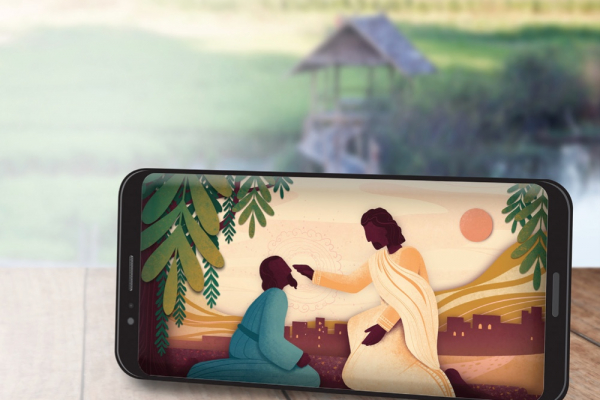
Ministry teams in Southeast Asia and Russia are using Facebook ads, YouTube channels, chatbots and animated Bible story series — particularly TWR MOTION's Journey to Hope — to engage spiritually open people from Buddhist backgrounds. By meeting felt needs (loneliness, anxiety, relationships) with relevant digital content, teams like Discover Jesus Initiative generate gospel conversations that can lead to discipleship. As platforms mature and audiences grow more selective, quality content, sequential storytelling and consistent publishing are emerging as the keys to effective digital evangelism.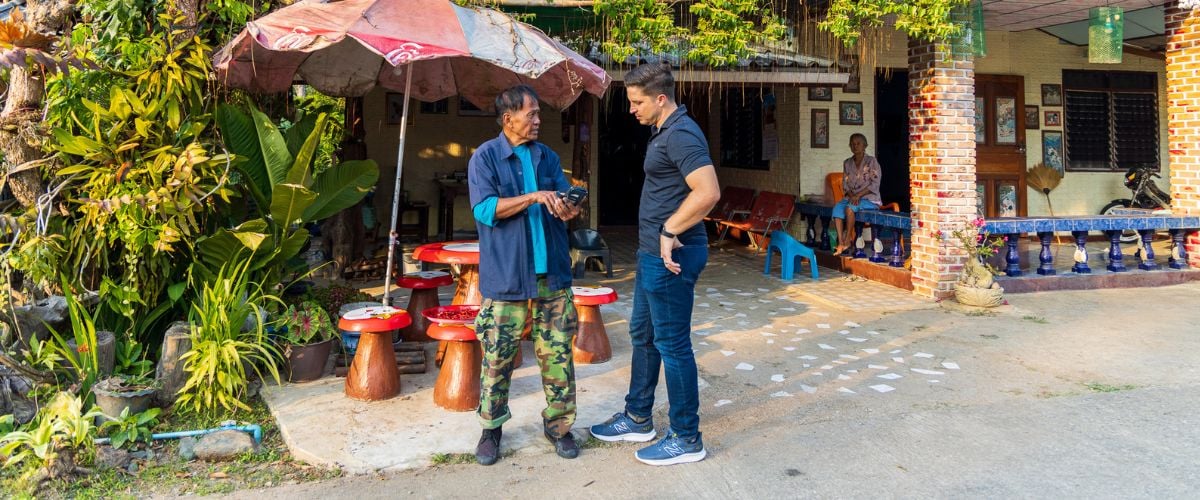 DJI is using TWR MOTION's animated series, Journey to Hope, to share the gospel with people from Buddhist backgrounds.
How a Simple Question on Facebook Opens Gospel Conversations
How would you like Jesus to help you today?
This question appears in Facebook Messenger after someone clicks on an ad run by Discover Jesus Initiative (DJI) in Thailand. DJI, an organization working to reach the top 50 unreached countries with the gospel, is using episodes of the TWR MOTION-created Journey to Hope as Facebook ads to find spiritually open people. The specific episode driving this campaign is episode 14, “Abundant Provision,” based on the story from Matthew 14 when Jesus feeds five thousand people with five loaves and two fish.
The challenge is that most people scrolling through Facebook in Thailand aren’t looking for Jesus. Most follow Buddhism. But they have questions and concerns — about loneliness, anxiety, health, relationships — and AJ, who oversees DJI’s digital campaigns in Southeast Asia, sees those felt needs as a bridge to the gospel.
What is Digital Engagement in Ministry?
 Digital platforms, like Facebook, YouTube, Instagram and WhatsApp, are simply where people live today, which is why AJ said digital media is the “second heart language of our world.” When it comes to sharing the truth of Christ, he desires to use every available resource to meet people where they are and ultimately start a gospel conversation. “For me, digital engagement is simply using digital content and tools to help a person on every stage of their spiritual journey," AJ said, “helping them move closer to God each step of the way.”
Biblical content that communicates the gospel in a context people understand — that’s why MOTION created the 20-part Journey to Hope animated video series with a Buddhist worldview in mind. It’s a vital part of AJ’s digital engagement strategy in Thailand and beyond, as the videos are adapted into additional languages throughout Southeast Asia. As teams build relationships with viewers, they often see people move between needing more information and wondering how it will work in their own lives. That’s why Bible stories and testimonies, especially in video form, are considered the most valuable type of content for church-planting teams.
Pavel Shifman, TWR’s ministry development lead for Russian-speaking audiences in Europe, is taking a similar approach in Russia, translating Journey to Hope into Kalmyk and Russian for Buddhist-background populations in the republics of Kalmykia and Buryatia. His team shares content broadly online, follows up through direct messages, sends Bibles and connects people with local churches.
The Evolution of Digital Engagement Over the Past Decade
AJ began using digital outreach strategies around 12 years ago, after starting with physical distribution of evangelistic materials before the smartphone era changed everything. As phones became more affordable across Southeast Asia and more people increased their usage, he pivoted — launching a YouTube channel that eventually drew around 40,000 views a month from people searching for Jesus.
The landscape has grown more complex since then. Social media platforms have restricted the ability to target users based on spiritual criteria, though advertising tools have also matured with new capabilities. Audiences are more discerning too, wary of digital scams and more selective about their online engagement, especially as artificial intelligence is increasingly used for content creation and translation. Quality and relevance are now essential, and content must speak to a genuine heart need. Organizations like Kavanah Media, which launched DJI to bridge the gap between online interest and real-world discipleship, now exist specifically to help smaller ministry teams navigate this complexity.
How Facebook Ads Lead to Discipleship: From Click to Gospel Conversation
When someone clicks on an ad, a chatbot poses a question and offers prompts to help them respond, identifying what they’re seeking so a digital responder can follow up. If someone drops the conversation, the responder can re-engage based on what the person selected. The goal is to initiate a discipleship relationship.
AJ is building Journey to Hope-branded websites and social media channels to run the full series in order, starting with episode one. While each story stands on its own, he believes the series gains cumulative influence when experienced sequentially because the themes build on each other. He plans to complement the Facebook ad campaign with a YouTube channel and supporting podcasts where people can work through questions tied to each story.
As Shifman put it, consistency is the secret to social media — sharing content regularly to build an audience. In a crowded media landscape, both the message and how it’s packaged matter.
“We’re competing against the whole media industry with the message of Jesus,” Shifman said.
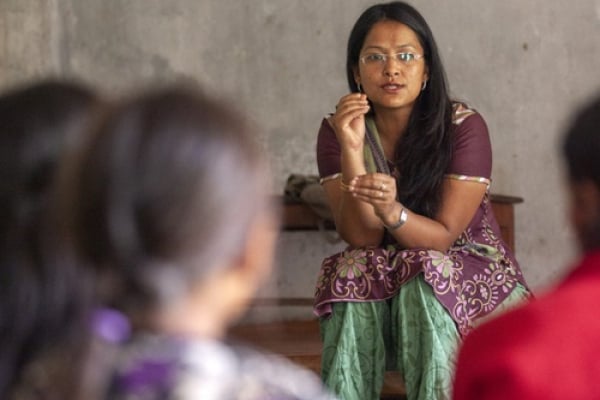
Images: (top, banner) A member of the Discover Jesus Initiative (DJI) team meets with a local man in Thailand, (middle, right) A scene from TWR MOTION's Journey to Hope series, depicting Abraham.